
Industrial Matrix: From Monolith to Multi-Account ECS on AWS
Consultant Leading the Project

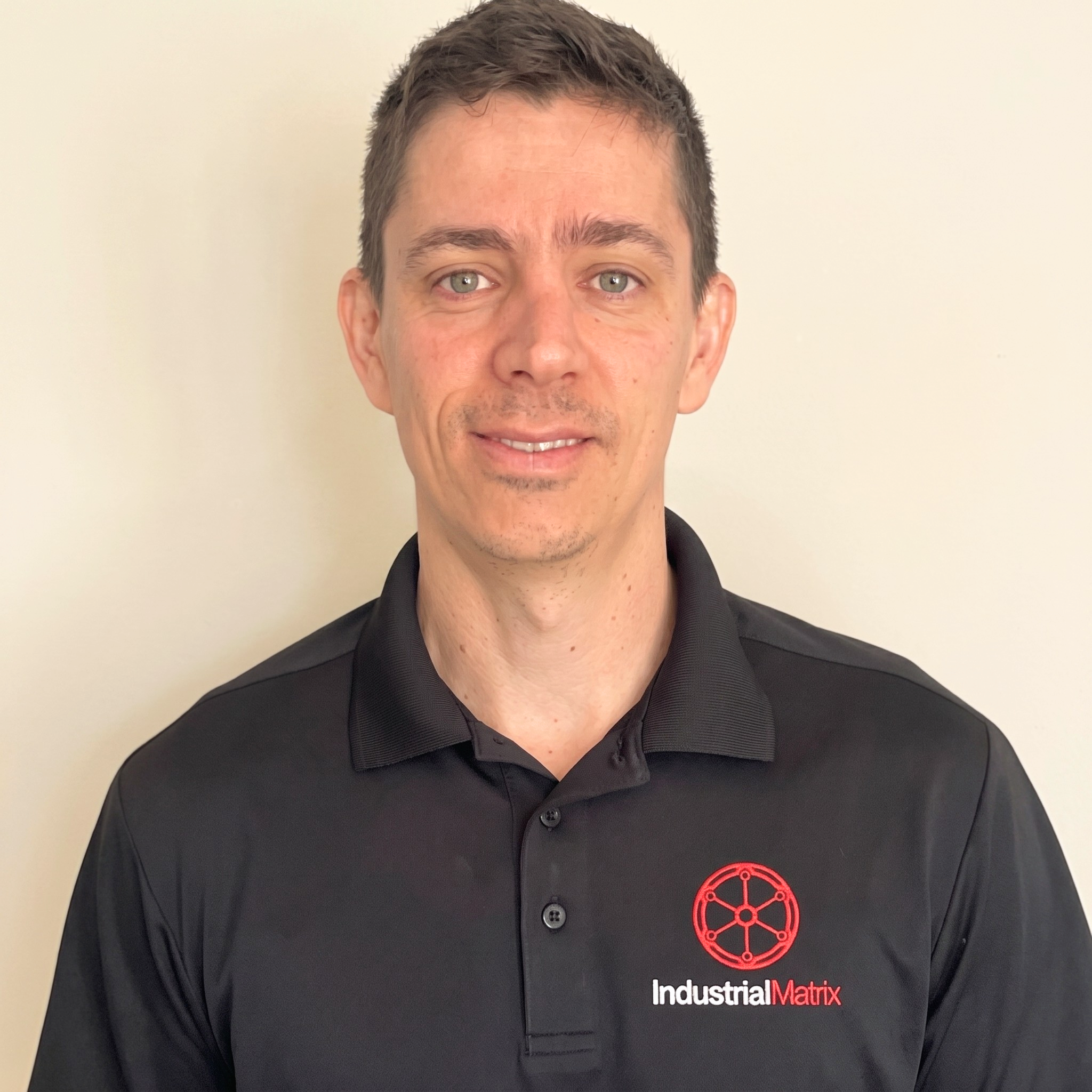
Fernando Goncalves
Senior Cloud Engineering Consultant 20+ years in software development 10+ years specializing in AWS Former AWS Solutions Architect Public speaker
About Industrial Matrix
Challenge
We have demands for ingress data, for retrieval of data, for processing. There’s a lot of different services that before were running together. It was more expensive to scale. Every time I had to scale, I had to scale everything. So if I have more sensors sending data, or more users, or less users - it doesn’t matter, because I had to scale everything together to fit the bill.
- Resilience that matched the stakes. With hundreds of thousands of devices and a growing customer base now depending on the platform, concentration risk that was acceptable early on no longer was. The architecture needed to spread that risk, not pool it.
- Delivery that could keep pace. A manual deployment process works for a small team shipping occasionally. At Industrial Matrix's new velocity, the team needed infrastructure as code and CI/CD so releases were fast, repeatable, and independent of who ran them.
Solution
In a first engagement, FivexL laid the foundation. Using RightStart for AWS , FivexL’s productized landing zone, Industrial Matrix received a secure, multi-account AWS environment built entirely with infrastructure as code. RightStart delivers what typically takes an in-house team more than a year to assemble: a full AWS organization structure with separate accounts for workloads, security, logs, and networking; centralized identity and SSO; encrypted secrets management; automated security tooling including GuardDuty, Security Hub, and CloudTrail; and CI/CD-ready OIDC access, all configured and production-ready in a month.
The accounts were created. The foundation was solid. The application itself, however, had not yet been moved onto it.
The second engagement completed that work: migrating the production platform onto the new foundation, replacing manual deployments with an automated pipeline, and equipping the team to own and operate the new architecture.
One sequencing decision shaped everything that followed: build a local development environment that mirrored the new architecture before the production cutover, so the team could master the new platform in safety before depending on it.
Local Development Environment, Built First
Before touching production, FivexL built a local development environment that mirrored the new architecture, so developers could run and test their code on their own machines. When access to the old setup eventually disappeared, the team already had a tested replacement they had been using for weeks, running it against their own data seeders that they had built themselves.
Ariel saw the difference immediately: “One of the things we’ve done as well is the local development. So now it’s faster for developers to test and try things than before.”
Containerize the Application As-Is
The application was containerized without a framework upgrade. Combining a runtime upgrade with the infrastructure migration would have introduced unnecessary risk. Isolating the two keeps the framework upgrade a clean, separate project on a foundation now able to support it.
Production Cutover
The migration to production ran within a single nine-hour window. FivexL prepared a detailed runbook with a rollback procedure for every step, rehearsed the cutover in development and staging first, and resolved code conflicts before going live.
Continuity for customers was absolute. The fleet of IoT devices in the field kept sending data without interruption, routed through a temporary bridge, so no customer ever had to touch their hardware and no monitored asset went dark during the transition.
Automated Deployments and Cost Optimization
FivexL replaced manual SSH deployments with an automated four-stage pipeline that promotes code from development to staging to production, with no long-lived credentials anywhere in the system.
The team also right-sized the platform’s compute and database resources and stood up ongoing cost reporting, giving the business clear visibility into what each environment costs to run. The engagement closed with full platform documentation covering the new infrastructure.
Throughout, the work ran on daily standups, pair programming, and async coordination.
Benefits
One of the things we’ve done as well is the local development. So now it’s faster for the team to test and try things than before.
Scale with confidence
The infrastructure now scales automatically based on load. Industrial Matrix can onboard new customers knowing the platform will absorb the increase without manual intervention, no longer constrained by a setup that required scaling everything at once.
Ship faster
The team moved from manual deployments to an automated promotion pipeline. Shipping new versions of the software became routine rather than a bespoke operation, a capability the platform did not have before.
Room to add environments without re-architecting
The accounts are structured by purpose, development, staging, and production, with headroom for more. That includes the option of standing up isolated environments for specific clients without touching the rest of the platform.
A platform the development team owns
The team now deploys to every environment through the automated pipeline without infrastructure support. They have built their own data seeders for the local environment and begun shipping features on the new architecture.
Three environments where there was one
Development, staging, and production now live in separate AWS accounts, so the team can test changes without touching production.
Security posture transformed
The platform moved from a single AWS account with manual access to a multi-account environment with centralized security controls, encrypted service-to-service communication, and continuous threat monitoring.
Planning an AWS migration? See how RightStart for AWS gives you the foundation Industrial Matrix built on - and how ECS Blueprint gives you the container platform they migrated to.
Our happy customers
"FivexL didn't just set up infrastructure - they gave us a production platform we could trust from day one. We went from a manual MVP to onboarding real customers in weeks."
Daniil Goloviznin, Head of Infrastructure at Sirob Technologies"Fivexl has been a great partner. They demonstrate unrivaled expertise in the AWS ecosystem and deliver results quickly."
Rusty Atkinson, VP, Technology at Clearway Health"The FivexL team had laid the foundation for SOC2, and we didn’t need to make major changes to get certified."
Mattias Hemmingsson, Head of Security at Hippo"By developing infrastructure FivexL allows us to focus on our core business: Product development hypothesis testing and roadmap generation."
Artem Eroshenko, Co-founder and CPO at Allure TestOps (Qameta)